

Bernadette_Abraham
-

Hi @R-S, yes it’s likely that you’re doing too much too fast. Remember low & slow. It’s important to allow your body time to adjust to anything new which also allows you to determine if it’s causing any symptoms. I often recommend 3 days when introducing anything new.
If the symptoms started when you introduced Mag Phos, that’s likely the culprit. So cut out anything that was introduced too quickly, allow your body to get back to baseline, and then reintroduce them one at a time with enough days in between to assess how it makes you feel.
And also keep in mind that it’s not necessary to do them all. Choose your favorite 1-3 and stick with those if they are helping.
-
Hi @healthyliving99 – thanks for sharing. Skin issues can be really frustrating, and also difficult to figure out because there can be so many different causes. But based on the brief description you shared, a few possible factors came to mind:
- postpartum hormonal shifts (including thyroid changes)
- possible histamine intolerance, food sensitivities, or postpartum immune shifts (the immune system resets after pregnancy and breastfeeding)
- skin barrier sensitivity (especially after dermaplaning)
- nutrient depletion from breastfeeding
- possible environmental triggers since moving back to the US (water quality, detergents, or allergens)
- possible yeast imbalances given the chronic history of dandruff
Now to help you narrow this down, please answer the following questions:
-
Do the flare-ups seem tied to your cycle (around ovulation or period)?
-
Have you changed skincare, detergent, or diet since returning to the US?
-
Is your drinking water filtered? How about showers?
-
Do you notice if it happens more indoors vs outdoors?
-
Have you had your thyroid, vitamin D, iron, or zinc checked since giving birth?
-
Any family history of eczema, rosacea, or psoriasis?
-
Besides dryness, have you noticed hair changes, temperature sensitivity, or unusual fatigue?
-
Do you ever notice things like sugar cravings, recurrent yeast infections, or that your dandruff flares more in humid or sweaty conditions?
Let’s start with these questions, and I’ll wait to hear back from you. We’ll help you get to the bottom of this!
-
Hi @naslam1603
No they don’t appear to be the same technique.
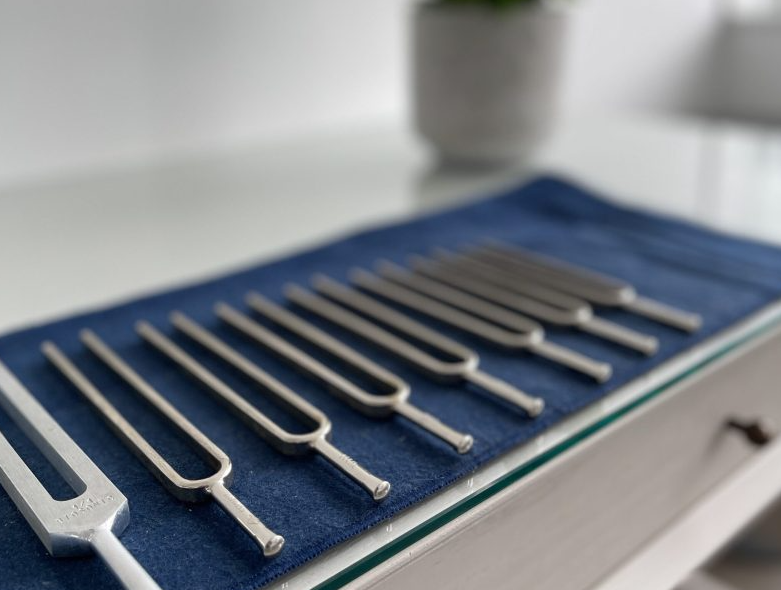
Dr. Klighardt’s ART is a biofeedback-based diagnostic tool that uses the autonomic nervous system responses (like muscle tone changes), whereas Dr. Smith’s method involves energy field manipulation using tuning forks (holosonic sound thereapy) & electro-acupuncture (EAV) which is different to muscle testing or autonomic diagnostic testing like ART.
You can go through Dr. Smith’s course in B Better if you’re interested in using Holosonic Sound therapy as a self-help too. You can access it here.
bbettermembership.com
B Better – Holistic Health & Wellness Community
Join B Better, a holistic health community offering expert advice, live Q&A sessions, and wellness resources. Start your free trial today and take charge of your well-being—no credit card required!
-
@Kkol – thanks for sharing. Do you have a family history of cardiovascular disease?
The biggest concern with these results is the elevated LDL-C, ApoB, and Lp(a) which are strong cardiovascular risk markers.
Given that HOMA-IR is 2.1 (ideal is <2.0) and fasting insulin is 9.54 (ideal is <7), there is some borderline insulin resistance. This should be addressed with dietary, supplement and lifestyle modifications. If you can give me more context, I can hopefully share ways to help with this.
But given the elevated cardio risk markers, there are supplements that can help reduce these, but I would also suggest you work with a functional doctor for supervision. As I explain in this lesson from the Lipid module inside the Blood Chemistry course, the following supplements can help with lipids:
-
Omega-3 (EPA/DHA): 2–4 g/day (reduces triglycerides, lowers ApoB)
-
Niacin (Vitamin B3) (500–1000 mg/day, slow-release; only under supervision): lowers Lp(a) & ApoB, raises HDL
-
Berberine (500 mg, 2–3x/day): improves insulin sensitivity, lowers cholesterol, ApoB, and triglycerides
-
Red Yeast Rice (standardized to monacolin K) is a natural statin: lowers LDL (also under doctor’s supervision and monitoring liver function every few months)
But ultimately, the goal should be to address why your lipids are high in the first place. Again, if you can provide more context – we can help you get to the bottom of this. If I recall correctly from a previous thread, did we discuss exploring sleep apnea? It’s often an overlooked root cause of metabolic dysfunction and fatty liver.
-
-
Hi @Kkol sorry to hear about your wife’s knee injury.
I would recommend you book an appointment to see Dr. Suad Trebinjac at HMS Al Garhood Private Hospital. 04-454-5000. He’s in Dubai on Sundays only. He’s a sports doctor that can hopefully recommend the appropriate treatment for her.
He helped me eliminate my chronic neck pain with prolotherapy injections. I’m not saying this is what your wife needs, but it’s one of the many different therapies in his toolkit. Very caring and knowledgeable doctor.
-
@Kkol – first off, congratulations on cutting out sugar and IQOS. That’s the best gift you can give yourself. Insulin resistance resistance is definitely a root cause factor for elevated lipids. Sleep apnea can be an often missed one too – have you looked into that?
Regarding your questions:
- Berberine: is best taken just before meals (5–15 mins). It helps with blood sugar after eating by improving insulin sensitivity. Most tolerate it well, but because it can affect the gut microbiome, some people notice mild digestive changes at first. So starting with a lower dose (e.g. 500 mg once daily) and building up is sometimes easier.
- Niacin: yes, the flushing kind is what works for lipids. But you’re right, higher doses can stress the liver. That’s why it really needs to be done under supervision and with regular lab checks. It can be very effective but not one to DIY.
- Citrus bergamot, plant sterols, pantethine, tocotrienols, beta-sitosterol: all of these have some evidence for improving lipids, but they usually have a smaller effect compared to prescription meds. Nevertheless, they can still add extra support.
- Nattokinase: is more for clotting support than directly lowering LDL/ApoB
- Medications (Repatha, Inclisiran, Ezetimibe): these are very effective at lowering LDL and ApoB, and reducing risk quickly, especially for those with a family history of cardiovascular disease or who can’t tolerate statins. But they still don’t fix the “why” behind your numbers. They also come with their own set of side effects which is why it’s definitely something you want to discuss and explore further with your doctor.
-
Hi @healthyliving99 – thanks for answering my questions. There are a few things that stand out that could be contributing to your skin flares and I have a few more questions too:
- Since your period hasn’t returned yet, hormones are still suppressed from breastfeeding, which can affect skin hydration and barrier strength. This could be part of why your skin feels so dry and reactive.
- The fact that your drinking water is filtered but not your shower, this might be worth exploring. Check the EWG Tap Water Database to see how your tap water rates in your area. Simply add your zip code or state to see the score and list of contaminants: https://www.ewg.org/tapwater/ Chlorine and other chemicals in city water can be irritating your skin, especially if the skin barrier is already sensitive from hormonal shifts.
- Your long history of dandruff, especially that it’s worse in humidity or sweat, does point to a yeast/fungal component. And sugar cravings plus postpartum immune shifts can add to that too.
- Past mold exposure may have primed your system, even though you’re no longer in that environment.
To help narrow things down, I have a few more questions please:
1. Do you notice flares right after showering, or after eating certain foods like dairy, gluten, wine, or sugar?
2. When the redness comes, does it feel hot or get worse with stress or fermented foods (like kombucha, vinegar, sauerkraut, or eating leftovers)? Here’s a list of high histamine foods to help you see if there’s a connection to histamine.
3. Would you be open to doing some basic labs (full thyroid panel (TSH, Total T4, Free T4, Free T3, Reverse T3, anti-TPO, anti-TG), vitamin D, iron/ferritin, RBC zinc, RBC B12, fasting glucose/insulin)? This can give us valuable insight into postpartum nutrient and hormone balance.
In the meantime, it might be worth getting a shower filter to see if it helps reduce skin irritation. Also would you consider keeping track of any food or environment links for the next couple of weeks? This can also help give us a clearer pattern.
And if you need help to soothe the area, colloidal oatmeal can be helpful if it’s red and itchy. Fresh aloe gel can help cool if it feels hot.
I’ll wait to hear from you on the above.

ewg.org
EWG's Tap Water Database: What's in Your Drinking Water?
Look up your local water system to find out which pollutants might be of concern, and find suggestions on the best kinds of home filters to remove those chemicals.
-
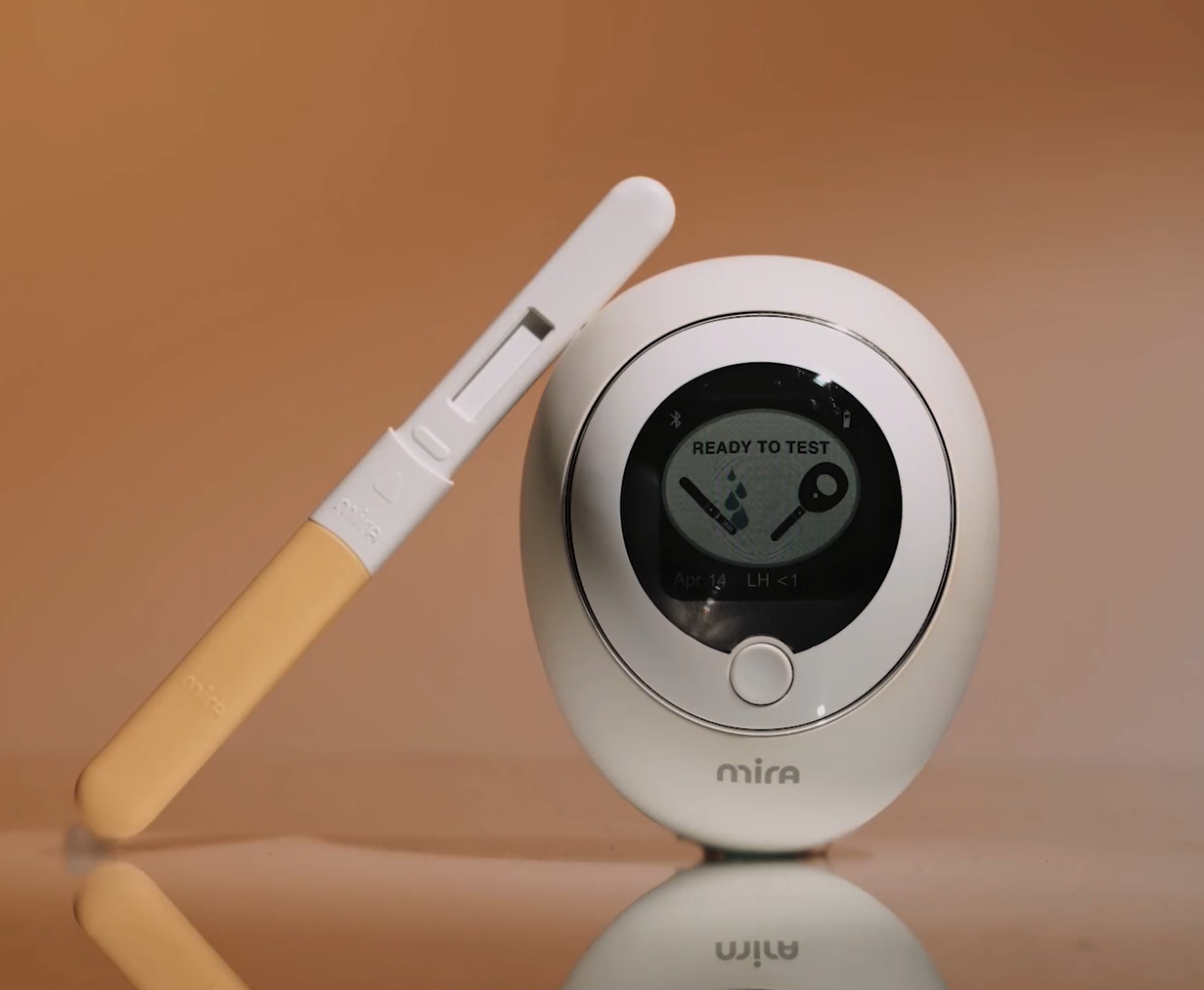
@Bahareh – since you’re going through perimenopause and cycles are becoming less predictable, testing on Day 19-21 also becomes less reliable. I haven’t yet posted about my journey with Mira, but I think it’s a game changing test for women going through perimenopause/menopause. Instead of testing progesterone on 1 day which can be a complete guess during this phase, Mira allows women to test their cycles daily so they can see patterns and associated symptoms. It’s a convenient at-home hormone test kit that’s also really affordable. Like I said – game changing!
I loved the concept so much that I reached out to get B Better members an exclusive discount not available publicly. You can find it here in Discounts.
Before Mira came along, women during perimenopause can track ovulation with LH strips (ovulation predictor kits) and/or basal body temperature, then add 5 to 7 days after ovulation to estimate the best time to test progesterone.
That’s another option.
bbettermembership.com
B Better – Holistic Health & Wellness Community
Join B Better, a holistic health community offering expert advice, live Q&A sessions, and wellness resources. Start your free trial today and take charge of your well-being—no credit card required!
-
Bernadette_Abraham
September 1, 2025 at 7:07 pm in reply to: Restricted diet- Snack and meal ideas please!@Rania yes, it’s ok to take them together.
-
Bernadette_Abraham
September 1, 2025 at 6:05 pm in reply to: Restricted diet- Snack and meal ideas please!@Rania – Oscillococcinum stat! Pharmacy should hopefully carry it. It’s an amazing homeopathic remedy that helps reduce duration and severity of the flu, and is most effective at the onset of symptoms.
-
Bernadette_Abraham
September 1, 2025 at 5:00 pm in reply to: Restricted diet- Snack and meal ideas please!@Rania – I also wanted to add…
In the event that your homeopath doesn’t give you clearance to start Tryptophan, I also wanted to suggest another way to support mood through microbiome modulation. It’s amazing how much our mood is connected to our gut, so a targeted probiotic may just be the key without risking serotonin syndrome.
There was a study done on this probiotic by Bio-Kult that showed reduction in anxiety and major depression after 4 and 8 weeks while medicated. Here are the summarized findings and study is linked below:
Adults (aged 18-55 years) with major depressive disorder (HAMD-17 score >13) were administered a multistrain probiotic (Bio-Kult Advanced; four capsules daily, each containing 2×10^9 CFU for a total of 8 billion CFU/day; n=24) or a placebo (n=25) for 8 weeks, in addition to their ongoing antidepressant medication. The probiotic group showed significant improvements in depressive symptoms, with HAMD-17 scores at week 4 (SES: 0.70, 95% CI: 0.01 to 0.98; P=0.04) and IDS scores at week 8 (SES: 0.64, 95% CI: 0.03 to 0.87; P=0.04). They also had greater reductions in anxiety symptoms, as indicated by HAMA scores at week 4 (SES: 0.67, 95% CI: 0 to 0.95; P=0.05) and week 8 (SES: 0.79, 95% CI: 0.06 to 1.05; P=0.03). However, no significant improvements were found in GAD-7 scores at week 4 (SES: 0.57, 95% CI: -0.01 to 0.82; P=0.06) or week 8 (SES: 0.32, 95% CI: -0.19 to 0.65; P=0.28). [Nikolova et al, 2023],
-
Bernadette_Abraham
September 1, 2025 at 11:25 am in reply to: Restricted diet- Snack and meal ideas please!@Rania – gut healing therapies can be taken anytime that is convenient.
Sole is 1 x per day, and again when there are high periods of stress or heavy sweating.
-
Bernadette_Abraham
September 1, 2025 at 11:23 am in reply to: Restricted diet- Snack and meal ideas please!Hi @Rania ,
1. The jar is is left out on the counter overnight. Once it’s done and you strain out the herbs, the infusion can be stored in the fridge for a few days. It can be served hot or cold. Your preference.
2. Yes sole can be used daily during high periods of stress or when there’s heavy amounts of sweating. I cycle on/off of it as needed.
3. Vitamin B12, folate, and vitamin D are all still suboptimal even though they are within the normal reference ranges. Ideally, vitamin D should be 50-70ng/mL. Serum B12 > 600pg/mL, and folate above the upper half of the reference range. So continuing the food therapy/homeopathic cell salts would still be helpful.
4. Do speak to your homeopath regarding the introduction of tryptophan and keep us posted.
-
Bernadette_Abraham
August 31, 2025 at 11:00 am in reply to: Restricted diet- Snack and meal ideas please!Hi @Rania – let me just say, you’re doing so great!
I’ll go over your questions one at a time:
1. Making an infusion is simple and you can use any dried herb. Please watch this video tutorial where I demonstrate how to make a stinging nettle infusion (and written instructions are below the video). Since slippery elm is a powder, you would simply add it in right before drinking – otherwise it becomes too slimy to drink. I would reduce the dose of slippery elm to once daily instead of 3 times, especially if you’re starting to add in marshmallow root and other mucilaginous foods. Drinking 1 cup of the infusion per day is great (anytime – hot or cold, and can be split throughout the day), and eventually it can be reduced to once every other day, as things improve.
2. If there are any thyroid or bloating concerns, then yes, the cabbage can be lightly steamed beforehand which adds an extra step. Otherwise, cabbage juice is literally just raw organic cabbage thrown into a juicer, and juiced. It usually takes a good 1/2 cabbage to get about 150mL of juice. So you can see why it’s a therapeutic dose. I usually recommend my clients drink 150-180mL cabbage juice daily, first thing in the morning (to get it out of the way) for 30-60 days. But really anytime is fine. And vary the colors; red, white, nappa, etc. I ask them to experiment with what works best. Some love it, others can’t stand it. Let’s see which camp you fall into. 🙂
3. Fresh aloe vera. Yes, you cut off the prickly sides, peel one side (can use a peeler), and scoop out the gel (1 to 2 Tbsp) making sure there is no yellow sap on it, and add it to any smoothie. If there is sap, wash it well. Again, since you’re doing so many other gut soothing therapies, the frequency can be less. But always start low and slow to assess how it makes you feel.
4. Sea moss gel. Again 1 Tbsp daily works. Gut healing therapies can be done for 60 days or even up to a year if needed, depending on the person’s situation. For example, if someone needs longer term support while addressing the root cause, then these therapies can be taken for longer.
5. Epsom salt foot soaks & Mag Phos. Both can be taken daily (together or separately – it doesn’t matter) and for as long as needed. With intact skin + normal kidneys, it’s very hard to overdose on magnesium from Epsom-salt foot soaks, even if you do them daily for a short stretch. Same with homeopathic cell salts. The bigger risk is dry, irritated skin, so long-term daily soaks aren’t ideal. So to bypass the risk of dry skin, frequency can be reduced from daily to every other day to be super safe.
6. Ferrum Phos. Same as Mag Phos. It can be taken daily even if you’re eating liver. It helps with cellular absorption – so allows you to better absorb and benefit from eating liver. As for timing, I always take my homeopathic cell salts first thing in the morning away from food. But that’s just so I don’t forget. They can be taken at any time of day that is suitable for you – just away from food/mint by at least 15 mins.
7. With regards to the final tapering off your SNRI and adding in Tryptophan, please speak to your doctor about this, and the best way to introduce it if they agree. It’s very important to get the clearance first and be properly monitored because even with a low dose, there is still a risk of serotonin syndrome (agitation, tremor, sweating, diarrhea, fever, confusion). With that said, if you are given clearance, then starting with 500mg at bedtime, away from protein, with a little carbohydrate is usually how it’s done. But please please speak to your doctor first and get clearance. You need to be monitored, and they need to stay in the loop with any symptoms.
8. Regarding your symptoms upon rising and post-meal, I sense it could be blood sugar/adrenal related. If blood sugar drops (hypoglycemia), adrenaline kicks in and can lead to those symptoms you’re experiencing. And with nervous system dysregulation, it’s not uncommon to have low BP and feel dizzy when standing up. So I’d guess it’s a combination of issues related to blood sugar and adrenal status. And of course, tapering off Duloxetine can also be at play. Here are some things to try throughout the day to remedy this while working on nervous system regulation:
Morning:
a) Upon rising, drink 350-500mL water with 1 Tbsp “sole” (saturated salt water). This study shows how water/salt can help raise BP transiently when going from lying to standing. Salt is also nourishing for the adrenals – we deplete our sodium when we’re stressed. Here’s an article on the benefits and how to make sole.
b) If you feel like food would relieve the nausea, listen to your body. Have a small bite within 10 mins of waking. For example, a small protein + starchy carb/fruit like 1 egg + 1/2 small potato or few berries. This can hopefully help stop the palps/nausea fast. Then eat a full breakfast later within 90 mins. This will help target the low glucose response. If you need to take supplements/remedies away from food upon rising, then choose a different time (like mid-morning or mid-afternoon).
Post-Meals:
c) Go for a 10-minute walk after eating, especially if it’s higher in starchy carbs (like pasta) to help reduce glucose/insulin spike post-meal. If your pasta was corn/rice based, this can really spike blood sugar – consider trying a higher protein-based pasta like lentil or chickpea. And ideally, choose whole food starches like potatoes and rice instead of flour-based carbs. These can really spike blood sugar/insulin which I’m guessing is what happened with you. It can set off an adrenaline response. I highly encourage you to watch this lesson from our Blood Sugar Balance course to better understand blood sugar dysregulation.
Evenings:
d) Consider trying a high fat/sugar snack before bed. Example, spoon of coconut oil + honey. This can provide the body with a steady source of sugar throughout the night, which can lessen the first-morning blood sugar dips. This might eliminate the need for a first morning snack.
9. Magnesium, L-theanine and lemon balm are all great additions, especially in the evenings to wind down before bed, and can be taken with dinner or before bed away from food. But these can also be taken during the day if you experience anxiety. So really the best timing is what serves your needs best.
Hope this helps you put it all together with more clarity.
-
Bernadette_Abraham
August 29, 2025 at 7:17 pm in reply to: Restricted diet- Snack and meal ideas please!Hi @Rania – no, I don’t think these restrictions are adding fuel to the fire so to speak. On the contrary, given the gut inflammation from SIBO/IBS, there is likely enhanced intestinal permeability (aka “leaky gut”) and reduced enzyme production from the brush border lining. This can lead to food sensitivities and a hypervigilant immune state (which can explain the palpitations after eating certain foods).
Therefore, removing possible sensitivities will actually help calm the immune system and give it a much deserved vacation. Keep in mind that these eliminations are usually temporary and for a specific reason and goal. The goal right now is to reduce as much stress in the body as possible, which includes immune hypervigilance that is creating a physiological stress response.
Stress comes in many forms; mental/emotional, physical and physiological. Since nervous system regulation is your #1 priority, reducing all forms of stress (including physiological) will help towards your goal.
As for digestive rapid relief, you can try the bitter foods/teas, but they won’t be as potent as a liquid digestive bitter supplement. So try foods first, and if they aren’t enough, then consider the supplement forms instead.
My Profile
Bernadette_Abraham
Hello everyone! I'm here to help support your health journey any way I can.
My Location & Socials
United Arab Emirates
(UTC+04:00) Abu Dhabi, Muscat
Upcoming Events
-
27 Nov
-
13 DecLive Q&A Call6:00 pm - 7:00 pm
-
08 JanLive Q&A Call10:00 am - 11:00 am