



Bernadette_Abraham
-

Hi @healthyliving99 – sorry to hear that your baby is struggling with constipation. Avoiding dairy and bananas is a great start.
There are a few other things to consider:
1. Please consult with a pediatric chiropractor for a gentle adjustment. Sometimes there can be nerve interference in the lower spine that can affect digestion. Make sure there is no physical misalignment. I highly recommend Dr. Benjamin Tinker at Heal Hub Rehabilitation Center in Dubai. He’s excellent. 04-546-6152
2. Consider a manual “I-L-U” massage after bath time to help with peristalsis (moving things along). You start on the right side of their belly by the right hip bone, and move upwards towards the ribs 5 times (making the letter I). Then you make an upside down “L” by going upward and across the top part of the colon towards the left 5 times. Then finally you complete the “U” by going up, across, and back down on the left side towards the left hip another 5 times. This helps with peristalsis to move things along. Bicycling their legs can also help.
3. Dietary changes. The solids you’re feeding baby are great, but most are high in soluble fiber. Soluble fiber such as chia seeds for example “slow” things down. Instead, choose insoluble forms of fiber to help baby “go”. Remember this saying: “Soluble = Slow and Insoluble = Go”.
->Rice bran, cooked lentils, avocado, cooked prunes/prune juice, green peas are some forms of fiber higher in the insoluble form that may help. You can consider adding more of these into his diet.
4. Probiotics. BioGaia is great and has a proven strain for relieving constipation. If you’re already giving the recommended dose of 5 drops, then consider adding in food-based probiotics such as small amounts (1 tsp every other day to start) of coconut kefir and sauerkraut juice for example. Tabchilli sell quality fermented foods if you don’t make them.
5. Increase magnesium. For an infant, you can add some Epsom salt in their bath water (1 Tbsp of Epsom salt (magnesium sulfate) to baby’s bath tub). Soak 10–15 minutes, 3-4 x/week.
You can also consider homeopathic version of magnesium like Dr. Schussler’s Magnesium Phosphoricum which melts in water and is tasteless. This is available from Life Pharmacies in Dubai.
Hope these tips help move things along – please keep us posted!
-
Hi @jschwartz1 – sorry to hear that you’ve been struggling. You didn’t mention any testing that’s been done since the tick bite, and that’s where I’d recommend focusing your attention on at the moment.
Was the tick ever sent for testing?
Do you live in a Lyme endemic area?
Have you tested for Lyme and co-infections since the tick bite?
Please read through our Tick Bite protocol to better understand what should be done after a tick bite, what symptoms to look for, and how to find a Lyme-literate doctor to manage your care appropriately. Unfortunately, the initial 2-day course of antibiotics is not enough, and may lead to antibiotic resistance.
Lyme & co-infection testing is definitely warranted, especially since it’s been 4 weeks since the initial bite and you’re still presenting with symptoms.
The courses of antibiotics can definitely lead to yeast overgrowth, and further weaken the immune system, making your body more prone to other infections.
Please see our “Antibiotic Support Protocol (Before, During & After)” for ways to support the gut microbiome in the meantime.
And for rapid relief with the brewing ear infection, my go-to is always Hydrosol Silver drops directly into the ear, or Biocidin Liquid drops (it’s a natural antimicrobial), or Mullein-Garlic Oil. You can find more details in our “Ear Infection Relief” protocol which you can find here.
Hopefully this gives you some direction and steps to take next. Finding a Lyme-literate doctor would be my strong suggestion. Please keep us posted…
-
Hi @MS91 – sorry to hear that this business travel is taking a toll on you… hopefully you’ll be able to slow down a bit once you’re back and allow your adrenals to recover and immune system to take action!
As for loss of voice, there is a great homeopathic remedy that can hopefully help:
https://siddharemedies.com/shop/throat-voice/ – it’s available on Amazon as well but I’m not sure where you’re located.
If you can’t get that remedy quickly enough, here are some other things to try:
- Slippery elm lozenges (or tea) and raw honey – you can likely find Throat Coat tea by Traditional Medicinals in most supermarkets
- Biocidin throat spray (if it’s due to a microbe)
- Zinc lozenge (if viral cause is suspected)
- Avoid caffeine / alcohol (anything dehydrating). Stay well hydrated
- Oral NAC (600 mg/day) was seen to improve vocal fold inflammation in this study
Hope you can get your hands on some of the above, and hope it helps!
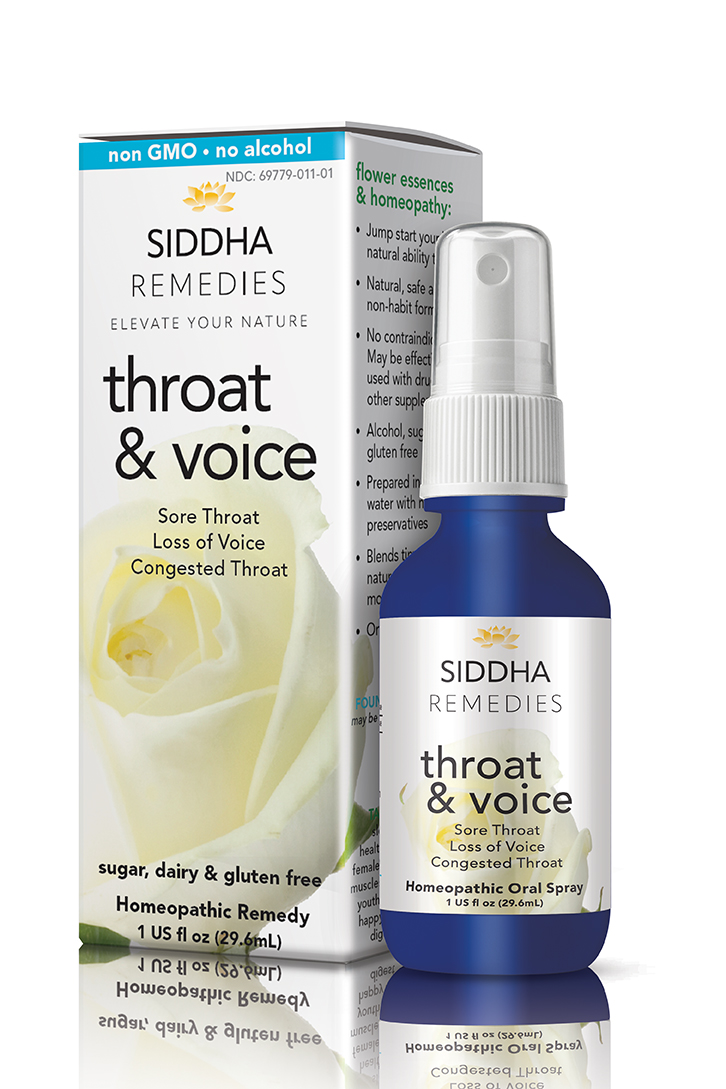
siddharemedies.com
throat & voice - Siddha Remedies
Enhance your vocal health with Siddha Throat & Voice this remedy improves resonance, reduces stress-related vocal issues and helps maintain clear communication
-
Hi @s_mohler – I’m assuming you’re asking about tips from a health perspective right?
The main issue with infants during travel is the air pressure bothering their ears during take-off and landing. To remedy that, I used to breastfeed my baby to help relieve the pressure on take-off and landing. Bottle feeding works too – any sucking motion will help equalize ear pressure and reduce pain. Even if they weren’t actually drinking milk, I would allow them to keep suckling until the pressure in the plane stabilized again.
Breastfeeding also helps support immunity during travel. We have a helpful guide that includes the medicine cabinet must-haves for newborns & infants. They can consider bringing along some of those remedies to help with immunity or colic & gas if their baby is prone to digestive issues.
Hope that helps. Let me know if you meant something else.
-
@iryna_klevetenko glad to hear that he’s no longer constipated!
How open is he to eliminating alcohol from his lifestyle? If it’s too drastic, would he be open to reducing it by at least half?
I know many people drink socially or because they enjoy the taste, or they use it to calm down after a stressful day. Whatever the reason however, it’s not helping his case. In fact, I’d say it’s likely a big contributor.
Alcohol puts extra strain on the liver, which is already struggling in his case (with fatty liver, high ferritin, and borderline cholesterol). Even moderate drinking can increase liver fat, raise inflammation, and worsen nutrient absorption, all of which can contribute to the very issues he’s dealing with, including polyp formation and gut inflammation. It also impacts the gut microbiome and can increase “leaky gut”. So drastically reducing or even better, removing it completely can make a big difference in giving his body a chance to recover.
You can suggest that he tries a 2-month alcohol-free challenge and then retests to see his before and after results. That might encourage him to quit. 🙂
And if it would help, I can work on putting together an “alcohol swaps” handout to help “keep the ritual, but change the habit”. Let me know if that would help.
-
Hi @iryna_klevetenko – thanks for sharing the labs and additional info. As you know, the more context we have the better we can guide and support you, so I have some questions which you can reply to one by one.
1. Besides constipation, is he experiencing any bloating, gas, reflux, fatigue?
2. You mentioned several supplements to help him sleep. Is sleep an issue for him?
3. How often does he have bowel movements? And what type are they (using the Bristol Stool score)?
4. You mentioned that he fasts. What are his typical meals after 12:30 PM?
5. Does he consume gluten, dairy, or processed foods? How much organic food is consumed vs. conventional food?
6. Any alcohol intake? If so, how much and how often?
7. Does he take any medication (even over-the-counter like antacids)?
8. What’s his stress level like, and does he have any movement or exercise built into his day?
Now from a “root cause” perspective, here’s what seems to be at play:
-The stomach inflammation (atrophic gastritis) means the stomach lining has thinned and may no longer be producing enough acid. This will impact digestion and absorption of key nutrients like B12, iron, and zinc. Have any of these been measured? If not, they should along with folate/B9. Low stomach acid can lead to constipation, poor nutrient absorption, and microbial overgrowths/imbalances further down in the intestines (as seen in the skewing of his neutrophils and lymphocyte in his CBC), which can promote even more inflammation in the intestines and colon (which can promote polyps – these are usually due to toxins).
-> So supporting stomach acid, digestion & motility is a priority! Not pooping daily creates a lot of toxins in the body! If he can tolerate digestive bitters and enzymes more consistently, this can provide some digestive support in the meantime. If they bother him, he needs more gut healing support first. Also, coffee on an empty stomach with MCT oil is probably not a good idea as it can irritate the stomach further. Consider eliminating coffee altogether and switching to green tea, or as a minimum, having coffee after the first meal.
-The fatty liver diagnosis, high ferritin, high uric acid, and borderline cholesterol all point toward the liver struggling to keep up. This is where we need to start asking why? Diet? Fasting habits? Toxin overload? Alcohol? Sleep apnea? – please share your thoughts with us about what you think could be contributing to his liver struggling. Here’s a Fatty Liver handout with root causes.
I’ll wait to hear from you on all of my questions above.
-
Hi @healthyliving99 – if you want to avoid gelatin capsules, there is liquid and vegan options. Do you have a preference?
The brands I often recommend are from Nordic Labs and Biotics Research. They are tested for purity and both have liquid versions.
And yes, many omega-3s are rancid by the time they reach the consumer. You can learn more about how to find reputable products in this lesson from the Fatty Acid Balance course.
-
Hi @DXB – thank you so much for the update. I can only imagine how intense and emotional the past few days have been for you and your family.
I’m relieved your uncle is finally receiving proper medical care and is being closely monitored. When there’s an emergency, I’m grateful for the advancements in modern medicine. And this is exactly where conventional medicine shines – handling acute, life-threatening emergencies.
I’m glad they acted quickly once they received the report, especially to address the fluid buildup and support his heart. And with the pneumonia now being treated in the respiratory unit, he’s clearly in the right place.
Please take comfort knowing he’s surrounded by professionals who manage these kinds of cases every day. Once he stabilizes, there may be opportunities to support his recovery more holistically, but for now, medical intervention is absolutely the priority and trust that he’ll get better.
Sending you strength, and wishing your uncle steady healing. We’re here whenever you need us. 🤗
-
Hi @DXB — I’m glad that your uncle agreed to move forward with the tomography despite how reluctant he was initially. What is his current sentiment about additional investigations after receiving this report?
Below is a summary of the findings to hopefully give you a direction of what to consider next given the complexity of his case with the many systems being affected, which no doubt can feel overwhelming and scary.
1. Pleural and pericardial effusions (fluid around lungs and heart): these can absolutely be linked to a past viral infection like Covid, especially if it hit him hard. That said, fluid build-up can also be a result of heart failure, kidney issues, or malignancy, so these should not be ignored or simply blamed on Covid especially that it’s been a few months ago and he’s still retaining fluid. This definitely requires further attention as a priority.
2. Collapsed area in the lung (atelectasis) and air cysts: these are also not unusual after a respiratory illness, especially in older adults or those with underlying health conditions, but the cysts should be monitored over time.
3. Liver enlargement (hepatomegaly) + abdominal wall edema: these together again can point to either congestion from heart strain, liver dysfunction, or low albumin/protein levels, which matches with his earlier labs showing low albumin. So again, something like an echo would be warranted for the heart.
4. Gallstones and colon changes (diverticula, thickening): these are more localized issues that may be causing some of his digestive symptoms if any. The colon thickening may be inflammation (colitis), but it’s hard to say without further tests. Not necessarily a priority to surgery clearance.
5. Adrenal hyperplasia: this is something that needs to be looked at with hormone levels. On its own, it doesn’t say much, but it could explain energy/fatigue issues if it’s functional.
So what to do next?
Before any surgery, he’ll need to get pre-op clearance to make sure his heart, lungs and liver can handle the stress of an operation.
Given the fluid around his heart, an echo is definitely warranted, along with a repeat blood panel to check liver/kidney function, inflammatory markers and albumin since these were flagged in his previous results. What did his doctor recommend as the next step based on these findings?
I know additional testing is probably not what your uncle wants to hear, but from a medical standpoint, these other findings can’t be ignored and the doctor surely won’t operate without full clearance, so it’s justified.
With that said, I just want to honor you for the support and attention you’ve been giving your uncle. We’re here for you as well. Please do share any updates or questions as they come.
-
Based on the OAT test results and previous presentations, toxicity appears to be a likely contributing factor, with mold exposure being a strong possibility. That’s why my initial recommendations emphasize opening up drainage pathways to help the body clear out toxins, along with proper mold remediation.
Mold doesn’t affect pH directly, but it can indirectly create more acid load in the body. Mycotoxins put stress on the mitochondria, which can lead to more acid byproducts like lactic acid. It can also deplete key minerals that help buffer acids (like magnesium, potassium, and calcium), making it harder for the body to stay balanced. Plus, the inflammation and gut issues mold can trigger may add even more acidic waste. That’s usually why people affected with mold will see shifts in urine pH as the body works to compensate.
Of course there are other reasons that can affect urinary pH, but we know you’re being exposed to mold at home so this is priority #1 to be addressing. And although you’re eating very clean, food sensitivities can also play a role, as can histamine overload, oxalates, salicylates, etc – even if what you’re eating is very healthy. Your immune system may see some healthy foods as a threat and lead to more inflammation. That’s why eliminating dairy and gluten, which are the most common food sensitivities, is a good preventative measure, especially with an autoimmune dynamic. Considering a full AIP diet which also removes grains, nightshades, nuts, seeds, etc, is another form of an elimination challenge if someone doesn’t want/can’t do more testing.
In terms of having the right team to support you, I recommend that whoever it is that you choose to work with, that you stick with them all the way through because true root cause healing takes time. Don’t expect major shifts in 1 or 2 months. If however, you do not notice ANY improvements with what you’re currently doing, then something is being overlooked. If however you’re noticing slow and gradual improvements, then stick to what you’re doing and keep doing it. It takes time.
I’m not sure what other types of doctors or practitioners you’ve consulted with, but for your case specifically, I would for sure want to have a naturopathic doctor overseeing the whole case, in addition to your medical doctor. The reason being that certified board naturopaths have the largest toolkit in terms of conventional medicine and natural remedies, since they are educated in both and have prescribing ability for both. LDN for example would be something a naturopathic doctor could prescribe as well. And in terms of helping you figure out and working on the root cause, a naturopathic doc should help you do that too. The downside, as you mentioned, is it’s all out of pocket and rarely covered by insurance. However, Dr. Zain also offers hypnotherapy as part of her toolkit so I’m not sure how she bills – if under naturopathy or hypnotherapy. Worth a call to find out.
-
I understand your frustration but it’s important to have the right support, and that often involves a team of practitioners for a truly integrative approach.
You are currently working with a medical doctor for triage (symptom management) but a functional practitioner/naturopath can work in parallel to address the “why” which takes more time when working on foundational healing. She may in fact adjust your protocol by reducing the number of supplements or replacing them with more targeted solutions or therapeutic dosages.
Did you end up meeting with Dr Skorski regarding hormones and LDN? You didn’t answer so I’m assuming you didn’t meet or it wasn’t an option for you?
-
Sorry to hear about Mehdi. Yes it’s unfortunate that naturopathy & other holistic modalities aren’t covered by insurance. This is a big reason why I created B Better – to make this type of care more accessible to more people. I share your frustration.
-
It would also be good for you to have a naturopathic doctor as part of your healthcare team. I can recommend Dr Zain at Joint Space Polyclinic – she is Canadian board certified:
+971529664308
Joint Space Polyclinic (Alserkal Avenue)
+971 4 394 3888
-
This looks like a good stack of supplements. In addition to the supplements, what lifestyle therapies are you implementing from my list of suggestions for each detox pathway? These can be very powerful when combined with supplements. (Ex. Grounding, daily sun exposure, red light therapy, facial maneuvers/stress reduction, lymph drainage, sauna, etc)
In terms of controlling the inflammation, if methotrexate is not working, doctors will recommend biologics as an alternative option.
Have you discussed LDN with Dr Skorski yet? This would be my recommendation – I know a few people with autoimmunity who have had great success with it.
My Profile
Bernadette_Abraham
Hello everyone! I'm here to help support your health journey any way I can.
My Location & Socials
United Arab Emirates
(UTC+04:00) Abu Dhabi, Muscat
Upcoming Events
-
13 JunLive Q&A Call4:00 pm - 5:00 pm
-
09 JulLive Q&A Call5:00 pm - 6:00 pm
-
22 AugLive Q&A Call4:00 pm - 5:00 pm