


Low Blood Pressure Symptoms, Causes & How to Raise It Naturally

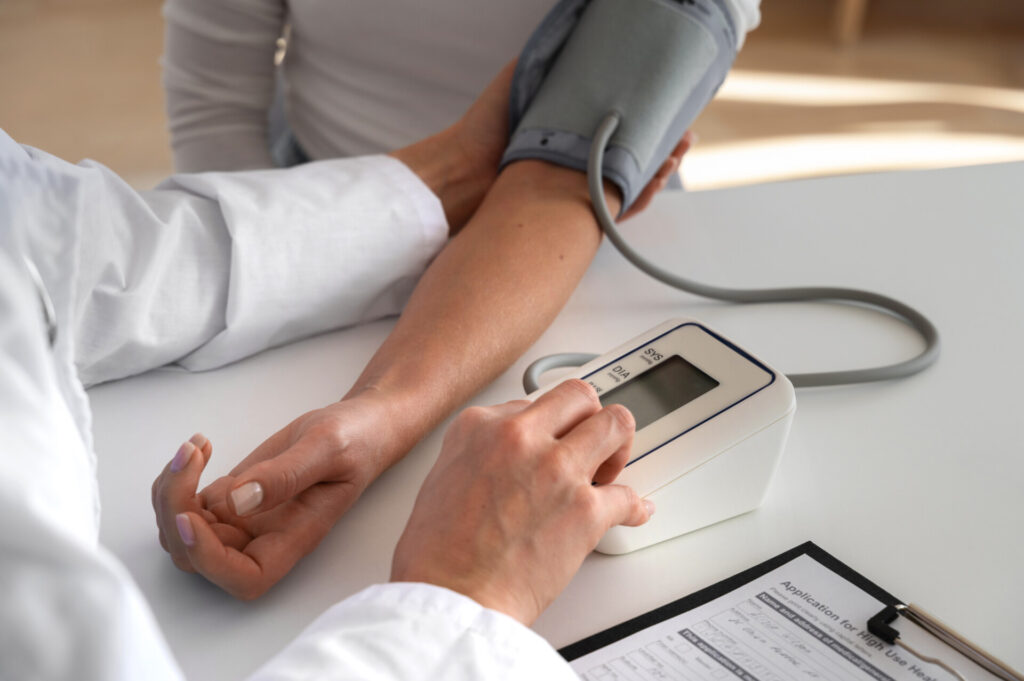
Most people worry about high blood pressure.
But if you often feel light-headed when standing, tired after meals, or foggy in the afternoon, you might have the opposite problem: low blood pressure, also called hypotension.
It sounds healthy, even ideal, yet for many people it steals energy, focus, and drive.
Often, people feel there can be nothing done about it, while your body is actually communicating that something deeper needs attention.
Recognizing the Signs
Low blood pressure symptoms are often subtle. You may feel:
- Dizziness when you stand up
- Cold hands and feet
- Fatigue or brain fog after eating
- Cravings for salt or sugar
- Low motivation or low mood
- Nausea or blurred vision
These are clues that your body isn’t circulating oxygen and nutrients efficiently. Blood pressure is more than a number; it’s a reflection of hydration, hormones, minerals, and metabolic balance.
Root Cause 1: Dehydration and Electrolyte Loss
When fluid or minerals run low, blood volume drops and pressure follows. Even mild dehydration can cause fatigue or dizziness.
What helps
Drink water regularly throughout the day and pair it with electrolytes from natural sources. Add a pinch of sea salt to meals, sip coconut water, or include mineral-rich foods like cucumber, citrus fruit, and melon. Limit caffeine and alcohol, which pull water and sodium out of the body.
With low blood pressure, your body isn’t asking for more energy drinks; it’s asking for minerals.
Root Cause 2: Stress and Low Stress-Hormone Production
Stress hormones like cortisol and adrenaline are powerful survival tools. They raise blood sugar, sharpen focus, and redirect blood flow so you can handle challenges. In short bursts, that’s healthy. But when these hormones stay high for too long, the same system that once protected you begins to turn against you.
Chronically elevated stress hormones can lead to insulin resistance, slower thyroid function, poor sleep, weakened immunity, muscle loss, digestive issues, and lower progesterone or testosterone. You may feel wired but exhausted, hungry yet drained, and emotionally stretched thin.
Over time, the body adapts. To protect you from the damage of chronic activation, the brain and adrenal system lower cortisol output. This isn’t a disease: it’s a functional adaptation. Your body chooses recovery over survival mode, but that shift can feel like fatigue and lower motivation, and can lead to low blood pressure!
What helps
- Eat balanced meals with protein and complex carbohydrates every few hours to stabilize blood sugar
- Get morning sunlight to strengthen your circadian rhythm
- Reduce stimulants when you feel “wired but tired”
- Rebuild with vitamin C, vitamin B5, and magnesium from foods such as citrus, avocado, and leafy greens
- Prioritize recovery through real rest and 7–9 hours of sleep
- Learn to put yourself first!
Root Cause 3: Thyroid Function
The thyroid controls metabolism, heart rate, and circulation. While low thyroid (hypothyroidism) usually raises blood pressure, in some people it can lower it. When thyroid activity slows, circulation decreases, heart rate drops, and fatigue increases.
To understand your thyroid fully, ask your doctor for a complete thyroid panel: TSH, free T4, free T3, reverse T3, and the antibodies. Low conversion of T4 to T3 can mimic hypothyroidism even if TSH looks normal.
Iron plays a key role here. The enzyme thyroid peroxidase (TPO), which drives thyroid hormone production, depends on adequate iron and ferritin levels. Without enough iron, the thyroid cannot function properly, leading to sluggish metabolism and changes in blood pressure.
Eat foods rich in:
- selenium (Brazil nuts, eggs, fish)
- iodine (seafood, seaweed)
- iron (grass-fed meat, lentils, spinach)
Ask your practitioner to do a complete thyroid panel and check iron and ferritin, not just hemoglobin, since ferritin reflects stored iron.
Root Cause 4: Nutrient Deficiencies
Four key nutrients support healthy blood pressure: iron, vitamin B12, magnesium, and sodium.
Iron is not only needed for thyroid function. It helps carry oxygen in red blood cells and gives blood its volume and color. Too little iron means less oxygen delivery to tissues and lower pressure.
Found in: red meat, eggs, lentils, spinach, pumpkin seeds.
Vitamin B12 supports red blood cell formation and nervous-system balance. Deficiency can cause fatigue, light-headedness, and even heart palpitations.
Found in: fish, eggs, beef, fortified plant milks, nutritional yeast.
Magnesium relaxes blood vessels and supports muscle and nerve function. Too little can cause irregular heart rhythm and low pressure.
Found in: avocado, almonds, dark chocolate, leafy greens.
Sodium maintains blood volume. Too little, especially in athletes or people who sweat heavily, can make blood pressure drop sharply.
Found in: sea salt, olives, miso, and mineral broths.
Low blood pressure isn’t always about water; it’s about the minerals that hold that water in.
Root Cause 5: Gut Health and Nutrient Absorption
Even the best diet won’t help if your gut can’t absorb what you eat. Chronic inflammation, low stomach acid, or bacterial imbalance can interfere with the absorption of minerals and vitamins that keep blood pressure stable.
Iron is particularly tricky. It requires strong stomach acid for absorption and often competes with other minerals in the gut. If you frequently take antacids, drink coffee with meals, or eat in a rush, iron uptake drops further. Over time, this leads to anemia, low energy, and low blood pressure.
What helps
Eat slowly, chew thoroughly, and avoid drinking large amounts of liquid during meals. Support stomach acid naturally with digestive bitters or a splash of lemon water before eating. Include fermented foods such as kefir, sauerkraut, or kimchi to keep gut bacteria balanced.
Your gut isn’t just digesting food; it’s deciding how much energy your whole body gets.
How to Support Healthy Blood Pressure Every Day
- Stay hydrated and add electrolytes when you sweat or exercise
- Eat full meals with protein, healthy fats, and complex carbs
- Balance work and recovery; rest is part of your treatment
- Expose yourself to morning light to anchor your body clock
- Move daily to stimulate circulation and mood
If your symptoms persist, consider working with a practitioner to evaluate thyroid health, iron and ferritin, cortisol rhythm, and gut function. Low readings on paper might not mean much until you understand what’s behind them.
Reclaiming Your Energy
Low blood pressure is not a life sentence: it’s your body asking that something needs to change. It’s not something to fear.
When you respond with hydration, nourishment, and bring balance back in your body and life, low blood pressure can be addressed.
You don’t have to live in power-saving mode.
Your body already knows how to balance pressure; it just needs the right conditions to remember.
If you suspect your gut health plays a role in how you feel, click here to take our gut health quiz. Explore how digestion, stress, and blood pressure connect.


