


High Blood Pressure: The Hidden Root Causes No One Talks About

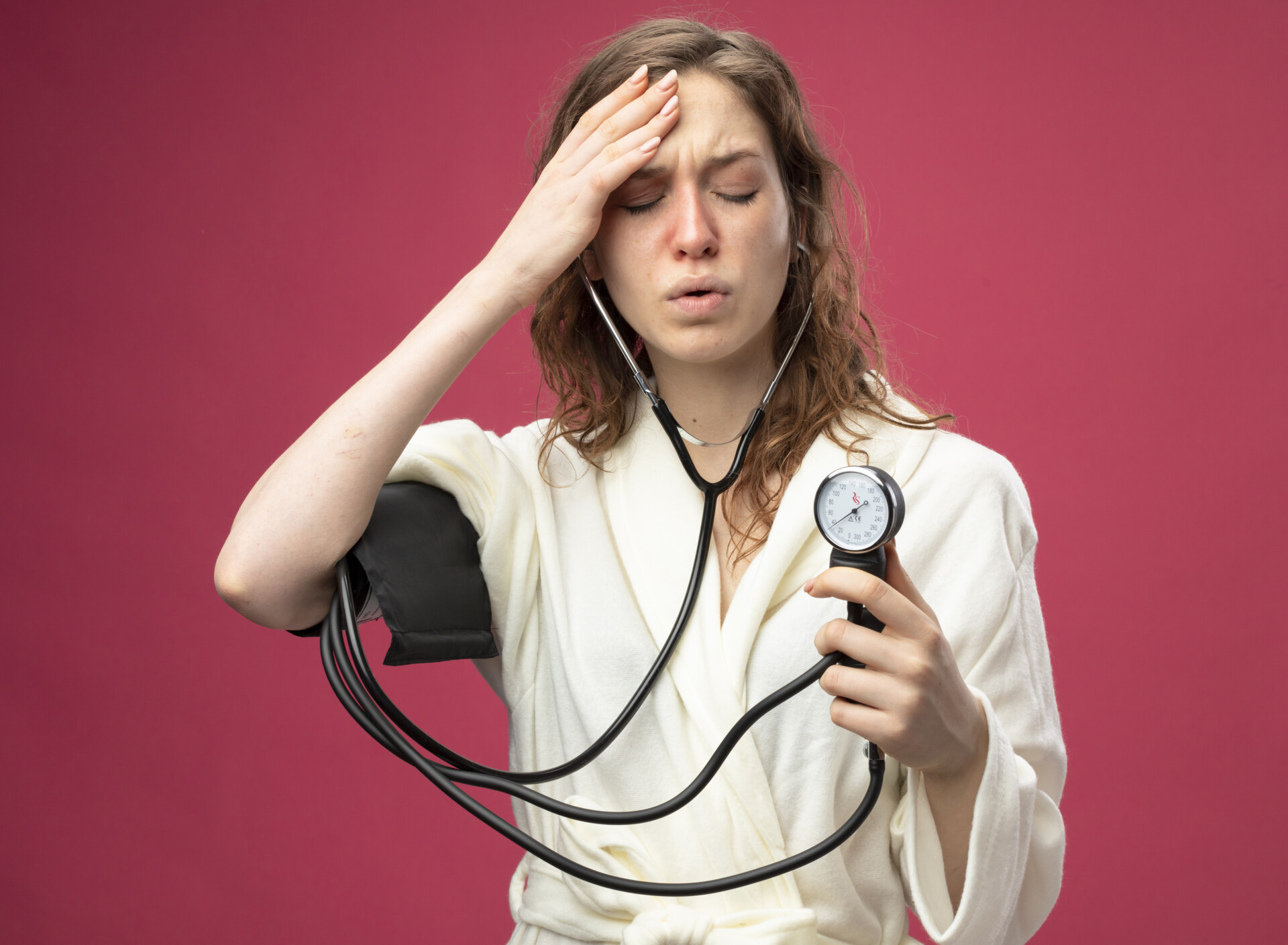
Many people are taught that high blood pressure is caused by salt alone.
But the truth is far more complex than that.
Salt plays a role, yes, but for most people the real drivers sit deeper in the body. They involve how flexible your blood vessels are, how your metabolism handles food, how your nervous system carries tension, how well you sleep, and how your kidneys interpret your daily habits.
This is why high blood pressure is known as the silent killer.
Most people feel completely normal while these internal shifts build over years. There are rarely early symptoms. Sometimes the first real warning is an event, simply because the body often gives no earlier signs.
Here is the truth that changes everything:
High blood pressure is not an accident. It is responding to the messages your body receives every day.
And once you understand what those messages are, the solutions become clear and practical. You finally see why certain habits work, why some medications help but do not fix the root causes, and why your body reacts the way it does.
Let’s walk through the six real root causes of high blood pressure.
Not in abstract terms, but in the way your physiology actually behaves.
Because when the underlying mechanism makes sense, the natural solutions suddenly feel obvious.
1. Mineral Imbalance: When Your Vessels Cannot Relax
Your blood vessels are living tissues. They tighten, soften, widen or brace depending on the minerals available to them. The two minerals that matter most for relaxation are magnesium and potassium.
If they are too low, the vessel walls hold more tension than they should. Your body must increase pressure simply to keep blood moving.
Most people do not experience dramatic symptoms. Instead, the signs often look like:
- neck and shoulder tightness
- headaches that come and go
- restless sleep
- irritability
- a feeling of being on edge without knowing why
Low magnesium affects the nervous system directly. Low potassium affects how the kidneys manage fluid and sodium. Together, they shape how relaxed or rigid your arteries are at any moment.
Practical solutions
Add magnesium rich foods like nuts, seeds, dark chocolate, beans and leafy greens. Add potassium rich foods like potatoes, oranges, bananas, avocado and vegetables. Hydrate well. Consider magnesium glycinate for calmness or magnesium citrate if you also struggle with constipation. Potassium supplements are generally not advised because sudden changes can affect heart rhythm. Food is the safer route.
When minerals improve, vessel tension reduces and blood pressure often begins to respond quickly.
2. Insulin Resistance: A Hidden Driver That Tightens the System
You don’t need to have diabetes for insulin resistance to raise your blood pressure. Insulin has direct effects on the kidneys. It makes them retain more sodium and water, which increases blood volume. It also influences the way vessels constrict.
A simple way to check for early insulin resistance is through fasting labs. If fasting glucose is consistently above 90 mg/dL and fasting insulin is above 7 µIU/mL, it is worth paying attention. Measuring HOMA-IR offers an even clearer picture of how well the body is handling insulin long before blood sugar becomes abnormal.
People often overlook insulin because early signs do not feel like blood pressure problems. Instead they resemble everyday modern life:
- energy dips after meals
- cravings
- weight gain around the waist
- harder mornings
- brain fog
Insulin resistance quietly increases the workload on the cardiovascular system. It also intersects with stress hormones and sleep quality, which means it can raise pressure through multiple pathways.
Practical solutions
Center meals around protein and fiber. Reduce refined carbohydrates and flour based foods. Add a short walk after meals to improve glucose handling. Supportive supplements like berberine, myo inositol, chromium or alpha lipoic acid may help some individuals, but lifestyle remains the foundation.
When the metabolism stabilizes, blood pressure often follows because the kidneys stop receiving the message to hold on to unnecessary fluid.
And if you would like help putting these pieces into action, our Blood Sugar Basics course inside B Better was created to support you in reversing insulin resistance from the root.
3. Chronic Stress: When the Body Lives in a Subtle State of Readiness
Stress does not need to feel dramatic to affect your physiology. The body responds to pressure, conflict, deadlines, uncertainty and constant stimulation.
When your nervous system feels under demand, your blood vessels tighten. Your heart pumps harder. Your hormones shift toward a state of readiness. This response is useful when you need to move quickly or protect yourself, but if it becomes the backdrop of your life, blood pressure rises as a long-term adaptation.
Many people feel calm on the outside while their biology carries more tension than they realize. Others notice fast heartbeats in situations that never used to affect them. Some wake between 3 and 4 in the morning because their stress hormones rise too early.
Practical solutions
Use breathing where the exhale lasts longer than the inhale. Take a short morning walk before screens. Add gentle movement like tai chi or restorative yoga. Journaling can calm the cognitive load. Supplements like magnesium glycinate, L theanine, herbal adaptogens, or full spectrum CBD oil may support the nervous system. Look for organic CBD products with clear third party testing and a defined percentage of active cannabinoids.
Lowering stress is not about being relaxed all the time. It is about teaching the body that safety is available. Blood pressure responds when the nervous system softens its grip.
4. Low Nitric Oxide: When Vessels Lose Their Ability to Widen
Nitric oxide is the molecule your vessels use to relax and widen. Without enough of it, vessels become more rigid. Blood cannot move as freely, and the body compensates by increasing pressure.
Nitric oxide naturally declines with age. It can also drop when sleep is poor, when movement is low, or when stress is high.
Signs can include cold hands and feet, faster fatigue during exercise, or blood pressure that goes down after a workout but rises again later. This often indicates that vessel flexibility is the real issue.
Practical solutions
Zone 2 cardio is one of the strongest natural ways to increase nitric oxide. It is the pace where you can speak in full sentences and breathe comfortably. Sunlight also helps. Foods like beetroot, arugula, pomegranate and high flavanol cocoa support nitric oxide pathways. Supplements like beetroot extract or L-citrulline may help some people.
When nitric oxide improves, many people see their blood pressure shift even if their diet or weight has not changed.
5. Dehydration: When Low Fluid Makes the Body Brace
You can be dehydrated without feeling thirsty. Stress, caffeine, exercise, alcohol and long gaps without drinking all change how much fluid your body holds.
When fluid is low, the body tightens blood vessels to maintain circulation. This raises blood pressure because the system is trying to preserve flow.
Common signs include mild afternoon headaches, dizziness when standing, cramps or a drop in energy late in the day.
Practical solutions
Drink water in the morning before coffee. Add electrolytes when you sweat or train. Use coconut water as a natural option. Match fluid intake to activity, not to thirst. Many people underestimate how much their blood pressure reflects their hydration habits.
6. Poor Sleep: When Recovery Breaks and Pressure Rises the Next Day
Sleep is when the cardiovascular system repairs itself. Vessel walls soften. Stress hormones fall. Nitric oxide is restored. The kidneys reset their fluid balance.
If sleep is short, shallow or disrupted, your body enters the next day already on high alert. This can raise blood pressure even if everything else looks normal.
Signs include morning spikes in blood pressure, waking between 3 and 4, difficulty falling asleep or feeling wired at night.
Practical solutions
Use the 3-2-1 sleep rule. No food 3 hours before bed. No work 2 hours before bed. No screens 1 hour before bed. Get morning sunlight. Keep the room cool. Magnesium glycinate and glycine may help with deeper sleep. 5-HTP and vitamin B6 can support nighttime melatonin production but should not be taken if taking SSRIs.
When sleep improves, the body recalibrates. Blood pressure often responds quickly because recovery is no longer interrupted.
If you need help uncovering the root causes behind insomnia and nighttime waking, our Sleep Optimization program inside B Better can guide you through the process step by step.
Bringing It All Together
Every root cause you just read influences the same thing.
The tension or ease inside your blood vessels.
Your blood pressure reading is not a judgment. It is giving you feedback. It tells you how your body has been “interpreting” your habits, your diet, your stress levels and your nightly rhythm.
This is the part that many people find surprisingly comforting:
Your body is not simply working against you. It has been adapting to the environment you live in.
Which means it can adapt again when the environment changes.
Pick the root cause that feels most like your life right now.
If you feel tense, start with minerals.
If you crash after meals, stabilize insulin.
If your days move fast, calm the nervous system.
If your mornings are tough, improve sleep or hydration.
If you feel better after exercise, support nitric oxide.
Small changes can lower the pressure your body believes it needs to generate. Consistency matters more than perfection. The body responds to patterns, not isolated moments.
Your Next Step
If you want support applying these insights in your daily life, you do not have to figure it out alone.
Your body has been responding to your environment. Now you can give it better instructions with guidance that makes sense.
**Try our B Better membership.** Your free account gives you a week of practitioner-guided learning, where you can ask questions and get clarity on your next steps.
Your blood pressure can change.
You just need the right support at the right moment.


