


Hair Loss: Causes, Symptoms, and Natural Ways to Stop Thinning Hair

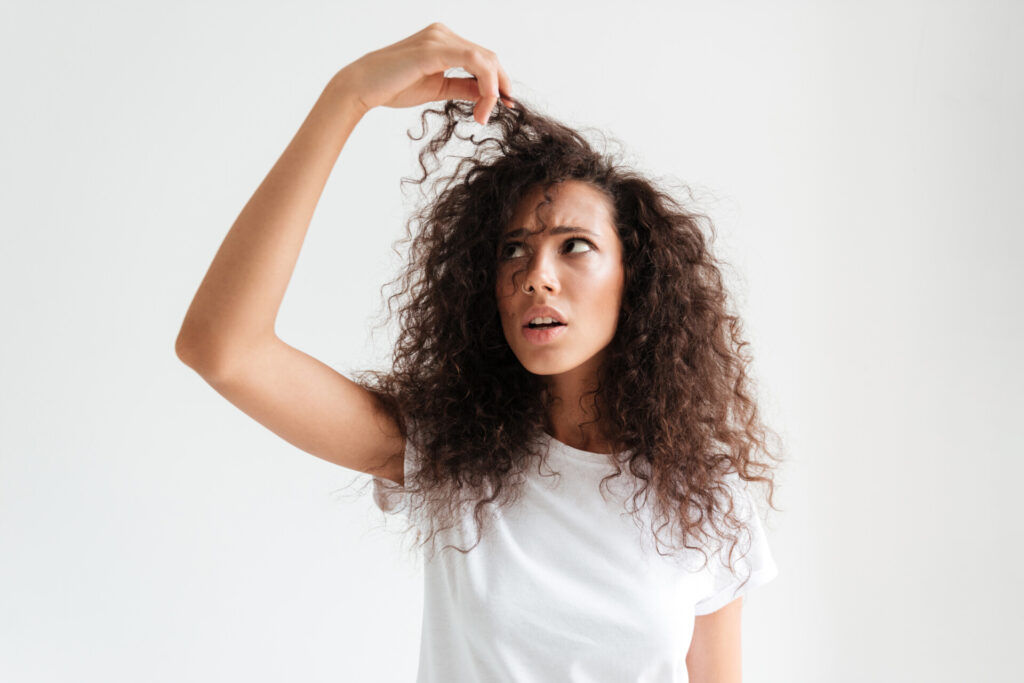
Hair loss, thinning hair, and sudden shedding often feel personal, yet they are rarely random. Your hair is one of the most sensitive mirrors of your inner biology. When hormones shift, nutrients fall behind, stress rises, or the body feels unsafe, the follicles respond long before other symptoms show up. Hair is not failing you. It is reflecting you.
Understanding this changes everything. It turns hair loss from a confusing experience into a meaningful sign. Many of the causes are modifiable, and when your internal environment stabilizes, hair often follows. This is the heart of functional medicine: symptoms are information, not destiny.
Key Points (for readers in a rush)
- Hair loss is driven by nutrient status, hormonal balance, blood sugar control, inflammation, stress, and scalp health.
- Many forms of thinning are reversible and respond well to lifestyle, nutrition, and emotional recovery.
- When you support the systems beneath your symptoms, hair grows from a place of biological safety.
Hair Loss Symptoms: what your body is trying to tell you
Hair loss rarely begins with dramatic change. It starts quietly: more strands in the shower, a ponytail that feels thinner, hair that seems flatter or breaks easily, or a part that slowly widens. Your scalp may become more reactive, oilier, or more sensitive.
These early signs matter because hair follicles respond rapidly to shifts in energy, hormones, circulation, stress, and inflammation. When the body needs to conserve resources, it protects vital organs first. Hair is not essential for survival, which is why it reflects imbalance so early.
The good news is that once you address those imbalances, your follicles will respond. When the body feels supported, shedding slows, and new baby hairs begin to appear.
Let’s first look at the differences between men and women before we start sharing practical tips.
Hair Loss in Women: patterns and what your biology is telling you
Hair loss in women often shows up as diffuse thinning, a widening part, or a general reduction in volume rather than a single bald spot. These patterns say more about the internal rhythm of hormones and stress than about simple genetics.
When estrogen fluctuates or progesterone becomes low, the growth phase of the hair cycle shortens. This is why women notice increased shedding postpartum, during perimenopause, after stopping birth control, or months after intense stress.
Androgens create another pattern. In PCOS, thinning often concentrates at the crown even when the shedding feels diffuse. Blood sugar swings amplify this by increasing insulin, which boosts androgen activity in the follicle.
Subtle thyroid changes, even when labs appear normal, can quietly slow the hair cycle. Under-eating or chronic stress has a similar effect, because the body shifts out of its growth state when energy feels unpredictable.
When women stabilise blood sugar, improve sleep, reduce inflammatory load, and restore hormonal rhythm, shedding often slows. The part line softens, and new hairs appear at the temples and along the hairline. Hair responds to safety, and these changes help bring it back.
Hair Loss in Men: patterns and overlooked triggers
Men tend to see thinning earlier and more visibly at the temples or crown. This pattern is often linked to DHT sensitivity, but the intensity of that sensitivity is heavily influenced by inflammation, stress, sleep, alcohol, and blood sugar.
When these systems are strained, follicles react more strongly to hormonal messages, which accelerates visible thinning. That is why some men see rapid changes after periods of overwork, emotional strain, or several months of heavier drinking and poor sleep.
Rapid dieting or low-carb extremes can also disrupt thyroid and cortisol patterns in ways that disturb the hair cycle. At the same time, low-grade scalp inflammation or irritation weakens the follicle’s resilience and makes shedding on wash days more likely.
When men create more stable internal conditions, thinning often slows. Better sleep supports testosterone rhythm. Lower alcohol and fewer processed foods reduce inflammation. Regular movement improves circulation and blood sugar stability. Together, these changes make follicles less reactive, and many men see improvement sooner than expected.
Causes of Hair Loss: the ten drivers most people never connect
Now that the patterns are clear, here is the deeper biology behind them, not the surface-level explanations, but the real systems that shape hair growth.
1. Nutrient Deficiencies: when hair lacks the building blocks to grow
Hair needs iron, ferritin, zinc, B12, folate, vitamin D, omega-3 fats, and adequate protein. Even mild deficiencies disrupt the growth cycle. Low ferritin weakens roots. Low vitamin D alters immune regulation. Low zinc increases breakage.
A controlled trial showed improvements in hair density after correcting micronutrient deficiencies (“The effects of zinc and biotin supplementation on hair growth in women with thinning hair,” PubMed).
Practical tips
- Begin your day with 25 to 35 g of protein
- Include iron-rich foods such as eggs, beans, and leafy greens
- Avoid tea or coffee right after iron-containing meals
- Add zinc-rich foods like pumpkin seeds and seafood
- Increase omega-3 intake through fatty fish or chia seeds
- Get morning sunlight daily
2. Blood Sugar Imbalance: when insulin tilts the hormonal scales
Large glucose swings raise insulin, which increases androgen activity and triggers shedding. Sugary foods, sweetened drinks, processed snacks, and flour-based products push this cycle.
Improving insulin sensitivity reduced androgen-driven thinning.
Practical tips
- Reduce sugary foods and sweetened drinks
- Minimize flour-based foods such as bread, pasta, and pastries
- Keep ultra-processed foods low
- Start meals with protein or vegetables
- Take a 10 to 15 minute walk after meals
3. Thyroid Function: the metabolic dial of your hair cycle
When thyroid hormones run low, the hair cycle slows. Even mild shifts increase shedding. TSH only measures the brain’s signal, not the thyroid’s actual output.
A study confirmed that subtle thyroid changes disrupt hair growth (“Impact of Thyroid Dysfunction on Hair Disorders,” PubMed: PMC10492440).
Practical tips
- Include iodine-containing foods like eggs and sea vegetables
- Add selenium (Brazil nuts) and zinc
- Support circadian rhythm with consistent sleep and morning light
- Explore deeper guidance in our blog: Natural Solutions for Hypothyroidism: How to Support a Slow Thyroid and Feel Energized Again.
4. Hormonal Imbalances and PCOS: when estrogen and progesterone lose their rhythm
Estrogen lengthens the growth phase of hair, while progesterone helps balance androgen activity. When these hormones fluctuate, shedding increases. Spearmint tea lowered free testosterone in women with PCOS.
Practical tips
- Stabilize blood sugar
- Include omega-3 rich foods
- Add flaxseed to meals
- Prioritize evening wind-down time
5. Inflammation and Gut Health: when the immune system is overloaded
Chronic inflammation diverts nutrients from non-essential processes, including hair growth. Gut imbalances increase inflammatory load and reduce nutrient absorption.
Reducing inflammation decreased shedding in a study (“Effect of a nutritional supplement on hair loss in women”).
Practical tips
- Add fermented foods
- Increase dietary fiber
- Identify foods that cause bloating or fatigue
- Support digestion with gentle post-meal movement
6. Stress, Cortisol, and Emotional Safety: when the nervous system shifts out of growth
Stress alters hormones, digestion, immune regulation, and blood sugar. Chronic cortisol shortens the growth phase and increases delayed shedding.
Mind-body interventions improved hair density (“Mindfulness Practice Reduces Hair Cortisol, Anxiety and Perceived Stress in University Workers: Randomized Clinical Trial”).
Practical tips
- Practice slow exhalation breathing
- Take micro-breaks during the day
- Get morning sunlight
- Reduce emotional load with healthy boundaries
7. DHT Sensitivity and Genetics: when follicles overreact
DHT (dihydrotestosterone) is a potent form of testosterone created by the enzyme 5-alpha-reductase. Some people inherit follicles that are more sensitive to DHT, which sends stronger signals to shorten the growth phase and thin the strand over time. This sensitivity is shaped not only by genetics but also by inflammation, poor sleep, high insulin, chronic stress, and alcohol. When these factors rise, follicles react more intensely to DHT and become quicker to shed. By reducing the internal stressors that amplify DHT signaling, the follicle can stay in its growth phase longer and maintain thickness more easily.
Practical tips
- Eat cruciferous vegetables
- Avoid extreme dieting
- Improve sleep quality
- Reduce alcohol and trans fats
8. Toxins and Environmental Load: when chemicals disrupt hormones
Research directly linking endocrine disruptors to hair loss is limited, but their effect on hormone regulation is well established. Chemicals found in plastics, pesticides, and synthetic fragrances can influence estrogen, androgen, and thyroid activity, creating a subtle hormonal stress that makes follicles more reactive when other triggers are present. Reducing daily exposure helps your body maintain a more stable internal environment, which supports a steadier hair-growth cycle.
Practical tips
- Use glass or stainless steel for storage
- Avoid heating food in plastic
- Ventilate your home daily
- Choose fragrance-free cleaning products
9. Scalp Health: the environment beneath your hair
Your scalp is living tissue with its own microbiome, immune system, and pH balance. When this environment becomes irritated or disrupted by harsh shampoos, synthetic fragrances, buildup from oils or silicones, or over washing, the follicles receive stress signals that shorten the growth phase. Even mild redness, itching, tightness, or tingling can reflect low-grade inflammation that weakens the root long before visible thinning begins. A disrupted microbiome also makes the scalp more reactive, while tension and poor circulation reduce the nutrients reaching each follicle. Restoring balance is not about finding a miracle product, but about creating calm, clean conditions so follicles can stay in their growth phase longer.
Shampoos and Scalp Products: What to Avoid and What to Look For
Supporting the scalp creates the biological soil where hair can anchor and grow. The goal is not to fix hair with products, but to avoid irritation and create a calm environment that lets the follicles do their job.
What to Avoid in Shampoos (and why)
Some ingredients overstimulate, inflame, or suffocate the scalp even when the hair looks clean and shiny. Over time, these create a stressed environment around the follicle.
Avoid:
- Sulfates (SLS, SLES) — harsh detergents that strip natural oils
- Parabens — may interfere with hormonal signaling
- Synthetic fragrances — common irritants
- Harsh alcohols — dehydrate the scalp
- Silicones — trap debris on the skin
- Petrochemical waxes — clog follicles and reduce oxygen flow
These ingredients may not cause immediate reactions, but they create subtle, chronic stress on the scalp that weakens the follicle’s resilience over time.
What to look for in shampoos and scalp products (and why)
Look for:
- Mild surfactants such as glucosides or cocamidopropyl betaine
- Botanical soothers like aloe, chamomile, and rosemary
- Niacinamide for barrier support
- Peptides and amino acids for structural strength
- Caffeine or rosemary extract to support circulation
- pH-balanced formulas to protect microbiome stability
These do not grow hair directly, but they restore the environment hair depends on.
Practical tips
- Avoid over washing and harsh cleansing routines
- Rinse thoroughly to prevent buildup from oils and conditioners
- Allow your scalp to dry fully before sleeping
- Massage your scalp a few minutes per day to increase circulation
- Treat itching, tightness, or burning as signs to adjust your routine
- Remember that internal inflammation shows up on the scalp quickly
Managing Hair Loss Long-Term
Hair grows in cycles that span months. The improvements you make today influence what you see on your scalp weeks from now. Early shifts appear as less shedding, a calmer scalp, and small new hairs. Consistency matters more than perfection.
When you support nutrients, hormones, blood sugar, inflammation, sleep, and emotional safety, you create the conditions in which hair feels safe to grow again.
Key Takeaway
Hair loss can feel like a loss of control, but it is never a verdict on your health or your worth. It is a conversation between your body and your lifestyle. When you slow down enough to listen to what it is asking for, you move from frustration to understanding, from fear to clarity. The truth is simple and powerful: your hair responds to the same things you do. When your biology feels safe again and your system is nourished, rested, and steadier, your hair often remembers how to grow.
Start Your Next Step With Us
If you’re confused about why your hair is thinning or falling out, you don’t have to figure it out alone. With B Better’s free trial, you can anonymously ask functional medicine practitioners for guidance and get a clearer picture of what might be driving your hair loss.
**Join the free trial. It’s the simplest next step toward understanding your hair loss.**
Frequently Asked Questions
Can hair loss be reversed naturally?
Often, yes. Many forms of thinning respond to stabilizing nutrients, hormones, blood sugar, inflammation, and stress.
Which vitamin deficiencies cause hair loss?
Iron, ferritin, vitamin D, zinc, B12, and folate are significant contributors.
Does stress cause hair loss?
Yes. Stress can trigger delayed shedding and affects digestion, hormones, sleep, and blood sugar.
Which shampoo helps with thinning hair?
Choose gentle surfactants, botanical anti-inflammatories, niacinamide, peptides, and pH-balanced formulations.
Why am I losing hair at the top of my head?
This pattern often reflects hormonal shifts, DHT sensitivity, thyroid issues, blood sugar swings, postpartum changes, or stress.
References:
- “Impact of Thyroid Dysfunction on Hair Disorders” PubMed: https://pmc.ncbi.nlm.nih.gov/articles/PMC10492440/
- “Estrogen Leads to Reversible Hair Cycle Retardation through Inducing Premature Catagen and Maintaining Telogen.” PubMed: https://pmc.ncbi.nlm.nih.gov/articles/PMC3390338/
- “Spearmint herbal tea has significant anti-androgen effects in polycystic ovarian syndrome. A randomized controlled trial.” PubMed: https://pubmed.ncbi.nlm.nih.gov/19585478/
- “Effect of a nutritional supplement on hair loss in women.” PubMed: https://pubmed.ncbi.nlm.nih.gov/16582024/
- “Mindfulness Practice Reduces Hair Cortisol, Anxiety and Perceived Stress in University Workers: Randomized Clinical Trial.” PubMed: https://pmc.ncbi.nlm.nih.gov/articles/PMC10648523/
- “Natural Hair Supplement: Friend or Foe? Saw Palmetto, a Systematic Review in Alopecia” PubMed: https://pmc.ncbi.nlm.nih.gov/articles/PMC7706486/


